Entry · Ref IH2NQZV3
Can an Emergency Dentist in Plano, TX Treat Gum Injuries?
- Posted
- 2026-10-26
- Last amended
- 2026-10-26
- Account
- @trevorhppv917
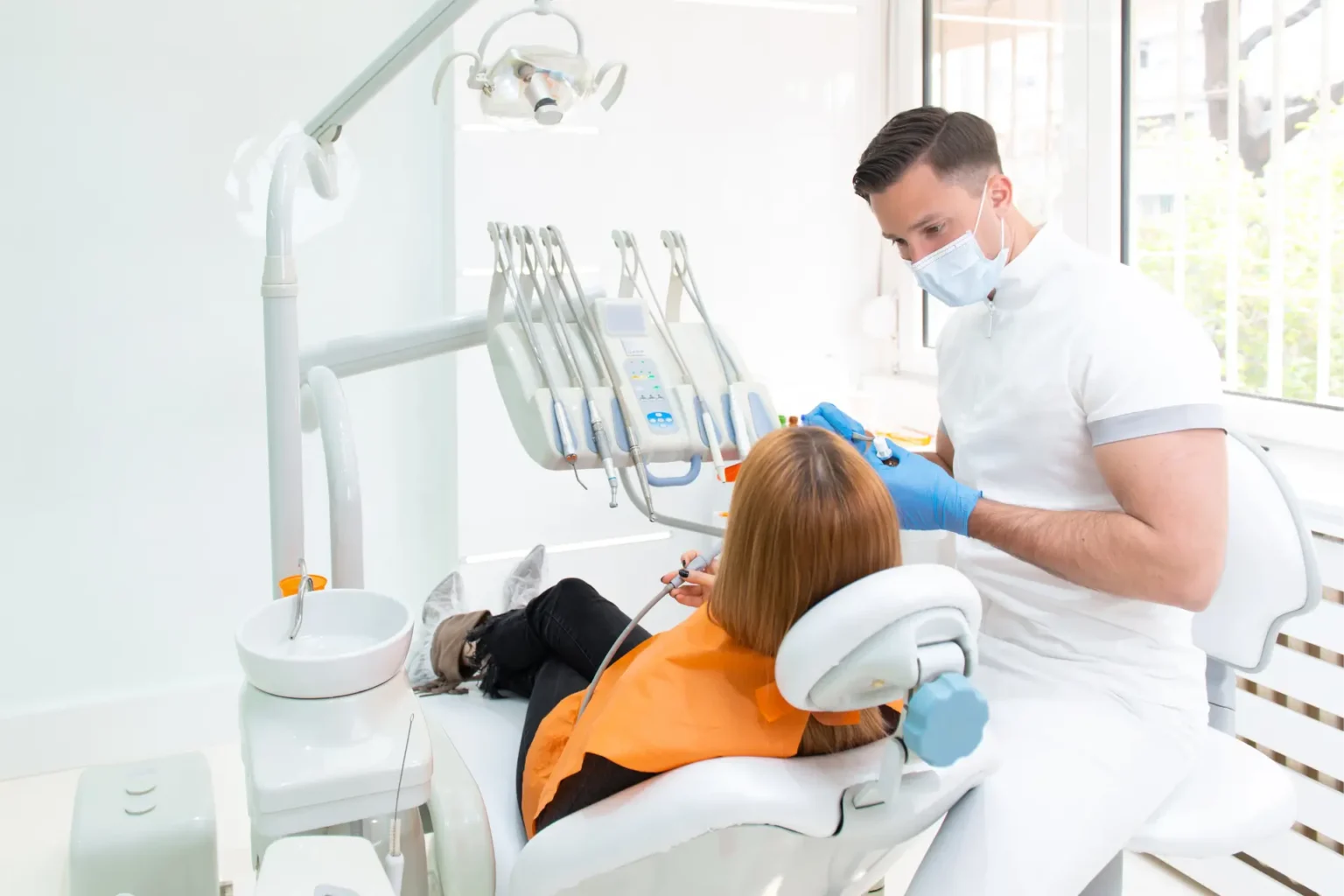


Yes, in many cases an emergency dentist in Plano, TX can treat gum injuries, and often should. People tend to think of dental emergencies as broken teeth, severe toothaches, or a knocked-out front tooth. In practice, the gums are involved in a surprising number of urgent cases. A deep cut from a tortilla chip, bleeding after a sports accident, tissue torn by flossing around a loose crown, or swelling that appears overnight can all send someone looking for same-day dental care.
The reason is simple. Gums are not just background tissue around the teeth. They protect the roots, seal out bacteria, support bone health, and help stabilize the teeth themselves. When the gum tissue is damaged, the problem can move from painful to serious fairly quickly. Bleeding may be hard to stop. Exposed root surfaces can become exquisitely sensitive. A flap of torn tissue can trap food and bacteria. If there is infection, swelling can spread and become much harder to manage after a day or two.
In a dental office that handles urgent care, gum injuries fall squarely within the range of what the team evaluates every week. Some cases are straightforward and can be treated in one visit. Others need a careful handoff to a periodontist or an oral surgeon. The key is knowing the difference, and not waiting too long to get the tissue looked at.
What counts as a gum injury?
Patients use the phrase "hurt my gums" to describe a wide range of problems. Clinically, those situations can look very different.
One common category is trauma. A toothbrush slipped. A popcorn hull wedged under the gumline and caused a sharp tear when someone tried to pick it out. A child took an elbow during basketball and the lip and gum were both cut. Denture wearers sometimes develop raw, ulcerated areas where the appliance rubs in the same spot over and over. Even aggressive flossing can create a clean, painful slice through the papilla, the small triangle of gum between teeth.
Another category is inflammation or infection that suddenly becomes painful enough to feel like an injury. An abscess can make the gum look puffy, shiny, and red. Food can become trapped around a partially erupted wisdom tooth, producing swelling and a foul taste. Gum tissue around a broken tooth may swell dramatically because the sharp edge keeps rubbing it. To the patient, it feels like the gum itself is the main problem, even when the source is partly the tooth.
There are also post-treatment issues. It is not unusual for someone to call after an extraction, deep cleaning, or crown procedure because the gums are bleeding more than expected, pulling away from the tooth, or looking white and sloughed from irritation. Those situations deserve prompt evaluation, especially if bleeding persists or pain is increasing rather than easing.
When an emergency dentist is the right first call
A good rule from real-world practice is this: if the problem is in the mouth, painful, bleeding, swollen, or affecting your ability to eat and speak, a dental office that offers urgent appointments is a smart place to start. That includes many gum problems.
An emergency dentist in Plano, TX can usually evaluate the source of gum bleeding, determine whether the tissue needs cleaning or suturing, assess whether a tooth or root is involved, and prescribe treatment aimed at controlling pain and preventing infection. Dental offices are set up for oral soft tissue exams. They have the lighting, suction, anesthetic, radiographs, and instruments needed to inspect the area properly. That matters more than people realize. Gum tissue can hide foreign material, split in unexpected directions, or cover a tooth fracture that is not visible at a glance.
What the office can do depends on the injury. Small lacerations may need irrigation and monitoring. Larger tears may need local anesthetic and sutures. Bleeding points can sometimes be compressed, medicated, or protected with a dressing. If there is an abscess, the dentist may drain it or treat the tooth or gum source directly, depending on what is driving the infection. If a loose or displaced tooth is pulling the gum tissue with it, the tooth may need stabilization as part of the gum treatment.
This is one area where timing matters. Soft tissue generally heals well because the mouth has a rich blood supply. That same blood supply, though, can make injuries look dramatic and messy. The sooner the site is cleaned and assessed, the better the odds of uncomplicated healing.
The gum injuries dentists commonly manage
Not every case looks textbook. Still, certain patterns show up again and again in same-day care.
Minor to moderate lacerations are common. A patient bites into a crusty baguette, feels a jab, and later notices a flap of tissue behind the molar. Someone trying to remove food with a toothpick cuts the gum and cannot stop the oozing. In these situations, the dentist checks the depth of the wound, whether debris is trapped, and whether the tissue edges line up naturally or need support.
Gums injured by braces, retainers, broken fillings, or fractured teeth also show up often. The tissue becomes ulcerated because a sharp edge keeps scraping it every time the person chews or talks. Treating the gum alone is not enough. The source of the irritation has to be smoothed, repaired, or covered, otherwise healing stalls.
Swelling from periodontal or tooth-related infection is another frequent reason for emergency visits. Patients often describe a "gum bump" that popped up overnight. Sometimes it is a periodontal abscess in the gum pocket. Sometimes it is drainage from an infected tooth root. Distinguishing one from the other changes the treatment plan. This is one reason self-diagnosis can be misleading.
There are also cases involving avulsed or loosened gum tissue after impact. A fall onto a coffee table, a baseball to the mouth, or a car accident can tear the attachment around the teeth. Those injuries deserve prompt professional care because the stability of the teeth and the underlying bone may be at risk even when the gums are what hurt most.
What happens during the emergency visit
People are often relieved to learn that a gum injury appointment is usually direct and practical. The first priority is to control the immediate problem, stop active bleeding, reduce contamination, and identify anything more serious hiding underneath.
The dentist begins with questions about how the injury happened and when. That history matters. A clean cut from lunch behaves differently from a deep blow to the mouth after a fall. If the wound came from trauma, the office may take radiographs to check for tooth fractures, root damage, or jaw involvement. If swelling is present, the exam focuses on whether there is localized infection, generalized periodontal inflammation, or spread into nearby tissues.
Local anesthetic is commonly used, especially Emergency dentist Plano, TX Vitality Dental when the gums are too tender to inspect comfortably. Patients sometimes worry that the area is "just gum tissue" and therefore should not need numbing. In reality, careful soft tissue treatment is often easier, cleaner, and less stressful when the patient is comfortable and the dentist can see the full extent of the injury without causing more pain.
After the area is cleaned, treatment may include gentle irrigation, removal of trapped debris, smoothing of a rough tooth edge, drainage of an abscess, placement of sutures, or instructions for home care while the tissue closes. If the injury exposes root surfaces or leaves the gum contour distorted, the dentist may discuss follow-up to monitor recession or refer to a specialist if grafting could eventually be needed.
Signs the problem may be more serious than it looks
Gum tissue has a way of making small issues seem dramatic and serious issues seem deceptively minor. A little blood in the sink can look alarming. At the same time, a deep infection may first appear as only mild puffiness.
Several warning signs raise the urgency. Uncontrolled bleeding after ten to fifteen minutes of steady pressure is one. Rapid swelling is another, especially if it spreads toward the cheek, jawline, or floor of the mouth. A bad taste with drainage, fever, pain on biting, or a tooth that suddenly feels elevated can point toward infection. Numbness after trauma can suggest injury beyond the gum alone. So can teeth that seem loose, shifted, or longer than they did before the accident.
If breathing or swallowing becomes difficult, or swelling is extending into the face or neck, that moves beyond routine dental urgency and into immediate medical territory. That is not the common outcome, but it is an important line.
What you can do before you get to the office
The first minutes after a gum injury can shape the rest of the day. Good home care does not replace treatment, but it can limit bleeding and contamination while you arrange the visit.
- Rinse gently with cool water to clear blood and debris, then apply clean gauze or a damp tea bag with steady pressure if the site is bleeding.
- Use a cold compress on the outside of the face for swelling, ten to fifteen minutes at a time.
- Avoid poking the area with fingernails, tweezers, or improvised tools, which often makes tissue tears worse.
- Stick to soft foods and skip smoking, alcohol, and very hot or spicy items until the area is examined.
- Call an emergency dentist in Plano, TX and describe the cause, symptoms, and whether bleeding is active or swelling is increasing.
A quick point about pain medicine: many patients do fine with over-the-counter options, but those choices depend on age, health history, and whether bleeding is ongoing. If you take blood thinners or have a clotting disorder, mention that when you call.
Situations that may need a specialist instead
Emergency dentists manage a lot, but not everything. Some gum injuries sit right at the edge between routine urgent care and specialty treatment.
A severe laceration that extends deep into the vestibule, the space between the gums and the cheek, may be better served by an oral surgeon, especially if muscle attachment is involved. Injuries with obvious jaw fracture concerns belong in a higher-acuity setting. Large areas of missing gum tissue, or traumatic recession that exposes a broad section of root, may eventually call for a periodontist if grafting or advanced soft tissue repair is needed. Chemical burns, unusual ulcerations, or lesions that do not match a typical injury may need further workup as well.
That said, the emergency dental office is still often the right first stop. The dentist can triage the problem, manage pain, reduce contamination, and make the referral more efficient. Patients sometimes assume they need to guess the right specialist on their own. Usually they do not.
Gum injuries in children need a slightly different lens
Parents are often unsure whether a bleeding gum in a child is a true emergency. It can be, particularly when trauma is involved.
Children fall hard, heal fast, and do not always describe what happened clearly. A small tear in the gum may be all you notice at first, but the permanent tooth developing underneath a baby tooth can also be affected by impact. If a child hits the mouth and the gum is badly swollen, bleeding, or discolored, a prompt dental exam is worthwhile even if the child calms down quickly. The same goes for any tooth that is pushed out of position or starts to feel loose after the accident.
Behavior matters too. A child who refuses to eat, cries when trying to brush, drools more than usual, or keeps touching one area may be signaling more discomfort than the injury first appears to justify. Soft tissue around erupting teeth can also become irritated and infected, especially near molars. Parents often read that as "teething" when it is really something more localized and urgent.
The difference between gum pain and periodontal disease
One of the most common misunderstandings in emergency dentistry is assuming all gum problems are simply "gingivitis" and can wait. Sometimes they can. Often they should not.
Mild, generalized irritation from plaque buildup usually causes tenderness, redness, and brushing bleeding over time. That is important to treat, but it is not the same as a sudden gum injury or an acute periodontal abscess. When one spot becomes sharply painful, swells rapidly, drains pus, or starts bleeding after a specific incident, the timeline points away from ordinary gum inflammation and toward a more urgent issue.
This distinction matters because the treatments differ. Chronic gum disease may need scaling, root planing, and a long-term hygiene plan. A traumatic laceration may need cleaning and sutures. An abscess may need drainage and attention to a specific tooth or pocket. Delaying the wrong kind of problem because it is all being grouped under "gum trouble" can make recovery harder and more expensive.
Cost, urgency, and practical expectations
Patients understandably ask two practical questions right away: "Do I need to be seen today?" And "How much is this likely to cost?"
If bleeding is active, trauma occurred, swelling is worsening, or pain is keeping you from eating or sleeping, same-day evaluation is usually justified. Small superficial scrapes may improve with conservative care, but most people are not good judges of depth or contamination inside the mouth. That is not a criticism, it is just difficult to see and interpret your own soft tissue.
Cost varies with what the dentist finds. A simple limited emergency exam with home care instructions is very different from an exam that includes radiographs, sutures, drainage, or repair of a broken tooth that caused the gum injury. Insurance may help, but coverage depends on the plan and on whether the procedure is coded as emergency evaluation, periodontal treatment, soft tissue management, or restorative care. Good offices are used to these questions and can usually give at least a range once they understand the problem.
From experience, the more expensive path is often waiting until a manageable issue becomes infected or starts affecting adjacent teeth. Early treatment is not always cheap, but delayed treatment is frequently more involved.
Healing times and what recovery usually feels like
Soft tissue in the mouth often improves faster than patients expect. Small cuts may feel dramatically better in two or three days. Sutured areas may settle over one to two weeks. Deeper injuries, injuries paired with infection, and tissue that has been repeatedly irritated by a broken tooth or appliance can take longer.
The first twenty-four hours are usually about tenderness, slight oozing, and careful eating. The next few days should bring less bleeding and less swelling, not more. A thin white or yellowish film over the wound can be part of normal healing in the mouth and is not automatically pus. What matters is the overall trend. If pain intensifies, swelling spreads, or the tissue starts to smell foul, the site needs re-evaluation.
Follow-up matters more than people think. A gum cut may close, but if it heals in a way that leaves a trap for plaque, exposes root, or changes the contour around a crown or bridge, there may still be work to do. The emergency visit handles the immediate problem. The follow-up makes sure the area returns to healthy function.
When not to wait
Some mouth injuries genuinely can wait for a routine appointment. Many should not. If the gums are bleeding heavily, visibly torn, rapidly swelling, or painful enough to interfere with normal eating and speaking, it is reasonable to seek urgent dental care the same day. If trauma loosened a tooth, if an abscess seems likely, or if something simply looks wrong and you cannot tell why, that is exactly the situation emergency dental offices are designed to handle.
So, can an emergency dentist in Plano, TX treat gum injuries? Very often, yes. From cuts and bleeding to abscesses and trauma-related soft tissue damage, gum injuries fall well within the scope of urgent dental care. The best outcomes tend to come when patients stop trying to tough it out, stop experimenting with home fixes, and get the area examined before a local problem turns into a larger one.
Vitality Dental
1220 Coit Rd # 106, Plano, TX 75075, United States
+1 972-645-4100
FAQ About Emergency dentist Plano, TX
Will the ER do anything for dental pain?
An emergency department can assess urgent symptoms and provide medical stabilization. Definitive treatment of the tooth usually requires a dentist. Seek emergency medical care for breathing or swallowing difficulty, uncontrolled bleeding, or serious facial injury.
What to do if I have a dental emergency in the middle of the night?
Contact a dentist or after-hours dental service promptly for guidance. If a permanent tooth is knocked out, keep it moist in milk while seeking immediate care. If symptoms suggest a medical emergency, go to an emergency department.
What qualifies as a dental emergency?
A knocked-out permanent tooth, severe or persistent tooth pain, a significant dental injury, or swelling may require urgent dental assessment. Call a dentist to describe the symptoms and determine timing. Uncontrolled bleeding or difficulty breathing or swallowing requires emergency medical care.